
Table of Contents
- Why Signage Is More Than Just a Sign
- Business Signage and First Impressions
- Outdoor Signage in a Visually Noisy World
- Advertising Signage and Customer Behavior
- Custom Signage and Brand Identity
- Digital Signage and Modern Flexibility
- Signage as Part of a Bigger Advertising Picture
- Location, Context, and Smart Placement
- Measuring the Impact of Signage
- Local Presence and Visual Trust
- FAQs About Signage (People Also Ask)
- What is signage and why is it important for businesses?
- What types of signage are commonly used today?
- How does custom signage support branding?
- Is digital signage better than traditional sign boards?
- What should businesses consider before installing signage?
- How does signage influence customer experience?
Every business has a story, but not every story gets noticed. Often, the very first interaction someone has with a brand isn’t online—it’s visual, physical, and immediate. That’s where signage quietly plays its role. From storefront sign boards to subtle indoor visuals, signage shapes perception before a single conversation begins.
For businesses exploring how visual communication fits into modern branding and advertising, platforms like Unitec Advertising offer insight into how creative visuals support brand presence across physical and digital spaces.
Why Signage Is More Than Just a Sign

At its simplest, signage communicates information—but smart signage does much more than point people in the right direction. It helps a business feel “real” in the minds of customers. When someone repeatedly sees consistent brand signage outside a building or clear indoor signage guiding them inside, it creates familiarity. And familiarity quietly turns into trust, because people feel they know what to expect before they even walk in.
Humans process visuals faster than words, which is why signs often make an impression in seconds. A clean, well-planned sign design can instantly suggest professionalism, quality, and attention to detail. On the other hand, cluttered layouts, hard-to-read fonts, or confusing sign boards can create hesitation—people may doubt the business, feel uncertain, or even skip entering altogether.
That’s why commercial signage is treated as a long-term branding asset rather than a decorative piece. Good signage doesn’t just “look nice”—it supports customer confidence, strengthens visual identity, and keeps the brand memorable. Over time, it becomes part of how a business is recognized in the real world, even when people aren’t consciously paying attention.
Business Signage and First Impressions
Business signage is often the first physical touchpoint between a brand and its audience. Before someone walks in, calls, or looks you up online, they’ve already formed an opinion based on what they see.
This includes:
Shop signage that invites walk-ins
Shop signage is often the first silent invitation a business sends to people passing by. Clear, attractive sign boards help customers quickly understand what the shop offers and whether it’s meant for them. Good lighting, readable fonts, and welcoming colors can spark curiosity, making someone slow down, look again, and decide to step inside instead of walking past.
Corporate signage that reflects company identity
Corporate signage goes beyond visibility—it communicates who the company is. From logos and color schemes to tone and layout, this type of signage reflects professionalism, values, and culture. When corporate signage is consistent and well-designed, it builds credibility and reassures visitors, partners, and employees that the brand is established and trustworthy.
Retail signage that influences browsing behavior
Retail signage plays a quiet but powerful role inside a store. Directional signs, category labels, and promotional displays guide customers naturally through the space. Well-placed retail signage reduces confusion, highlights key areas, and encourages exploration, helping customers spend more time browsing without feeling overwhelmed or pressured.
Clear sign boards help customers feel oriented and welcome. When signage aligns with brand values, it quietly builds credibility.
Outdoor Signage in a Visually Noisy World
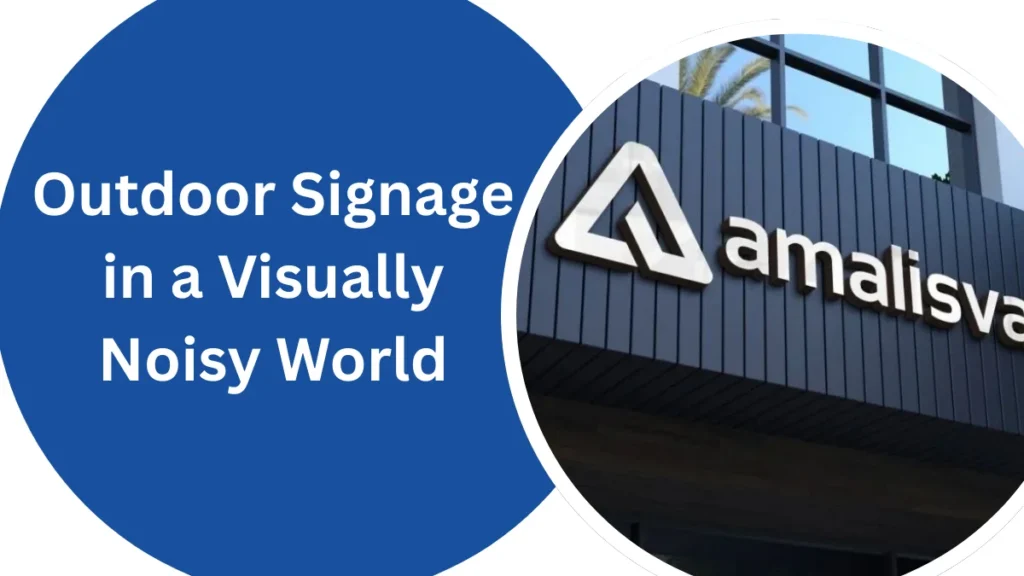
Cities are crowded with messages. Outdoor signage needs to stand out without overwhelming people. Placement, readability, lighting, and durability all play a role.
You’ll often see:
LED signage for night visibility
LED signage is especially effective after sunset, when traditional signs fade into the background. Bright, evenly lit displays ensure the message remains clear from a distance, even in low-light conditions. Consistent illumination helps businesses stay visible 24/7, making it easier for people to spot locations while driving or walking at night.
Large-format sign boards for roadside exposure
Large-format sign boards are designed for high-speed environments like highways and busy roads. Their size, bold typography, and simple messaging allow drivers to absorb information within seconds. When positioned strategically, these sign boards improve brand recall by reaching audiences who may not stop immediately but remember the business later.
Weather-resistant advertising signage
Outdoor advertising signage must withstand harsh conditions such as heat, rain, dust, and wind. Weather-resistant materials help maintain clarity and color over time, preventing fading or damage. Durable signage ensures that branding remains professional and reliable, even in challenging outdoor environments, without frequent replacement or repairs.
Effective outdoor signage respects attention spans. It delivers a message quickly and leaves a visual impression that lingers.
Advertising Signage and Customer Behavior
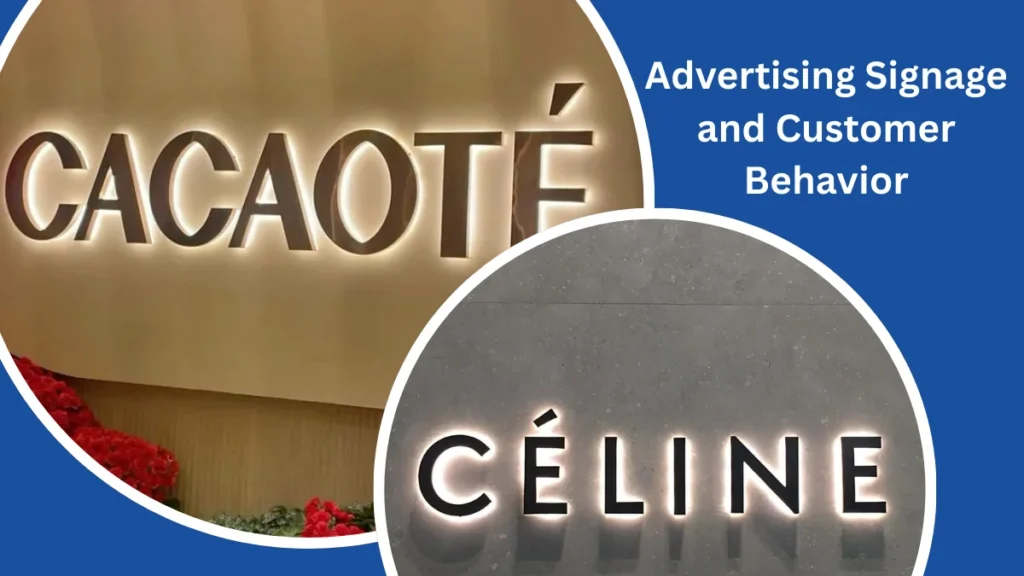
Advertising signage influences decisions more subtly than many people realize. It rarely feels like a direct instruction, yet it quietly shapes how people move, pause, and choose. Directional signs, promotional signage, and point-of-sale visuals work together to guide attention without pressure, helping customers feel oriented rather than overwhelmed.
Promotional signage highlighting offers draws the eye to timely messages—sales, new arrivals, or limited deals—right at the moment people are most receptive. Because it’s visual and immediate, the message lands faster than verbal explanation and often encourages spontaneous interest without disrupting the experience.
Wayfinding signs that reduce confusion play an equally important role. Clear arrows, labels, and symbols help customers navigate spaces confidently, saving time and mental effort. When people don’t have to stop and ask for directions, they feel more in control and relaxed.
Strategic marketing signage within spaces supports decision-making by placing information exactly where it’s needed—near entrances, aisles, or checkout areas. When signage removes friction by guiding, informing, and reassuring, customers naturally feel more comfortable, stay longer, and engage more positively with the space.
Custom Signage and Brand Identity
No two brands are the same, which is why custom signage matters. Materials, colors, typography, and layout all communicate personality.
Custom solutions often include:
- Tailored sign design for specific locations
- Unique brand signage aligned with identity
- Integrated visual branding elements
The goal isn’t decoration—it’s recognition. Custom signage helps brands feel intentional rather than generic.
Digital Signage and Modern Flexibility

As technology evolves, digital signage has become an adaptable storytelling tool because it can respond to real-life moments. Unlike static sign boards that stay the same for months, digital displays can update messaging based on the time of day, seasonal events, promotions, or even customer flow. This makes communication feel fresh and relevant—without the cost and delay of reprinting or reinstalling new visuals.
Dynamic retail signage is one of the most common uses. Stores can rotate product highlights, feature best-sellers, and display different messages for morning vs evening shoppers. Instead of relying on one poster to do everything, a screen can show multiple campaigns in a single day—keeping customers curious and engaged.
Interactive displays in commercial spaces add another layer by creating involvement. Touchscreens, menu boards, and informational kiosks help people explore options at their own pace, which feels more helpful than being “sold to.” This is especially useful in showrooms, malls, receptions, and large venues where guidance and clarity matter.
Time-sensitive promotional signage is where digital truly shines. Flash deals, limited-time offers, event countdowns, or last-minute updates can be published instantly. Digital signage doesn’t replace traditional signage—it complements it. A strong storefront sign builds identity, while digital adds motion and flexibility exactly where quick updates and attention capture are needed.
Signage as Part of a Bigger Advertising Picture
Signage works best when it’s part of a wider communication system. When physical signage aligns with online visuals, print materials, and branding tone, the message feels consistent and trustworthy.
Many businesses explore inspiration and real-world applications through social platforms like Facebook and Instagram, where visual storytelling plays a central role.
Location, Context, and Smart Placement
A sign that works in a mall may not work on a highway. Context matters. Viewing distance, speed of movement, lighting conditions, and surrounding clutter all affect how signage performs.
That’s why commercial signage planning often starts with observation:
- Where do people naturally look?
- How fast are they moving?
- What distractions already exist?
Sometimes, thoughtful placement matters more than size.
Measuring the Impact of Signage
Not every result is instant, but smart signage leaves clear signals:
- Improved foot traffic
- Smoother navigation
- Stronger brand recall
Over time, signage becomes part of how people remember a place—even if they don’t consciously notice every detail.
Local Presence and Visual Trust
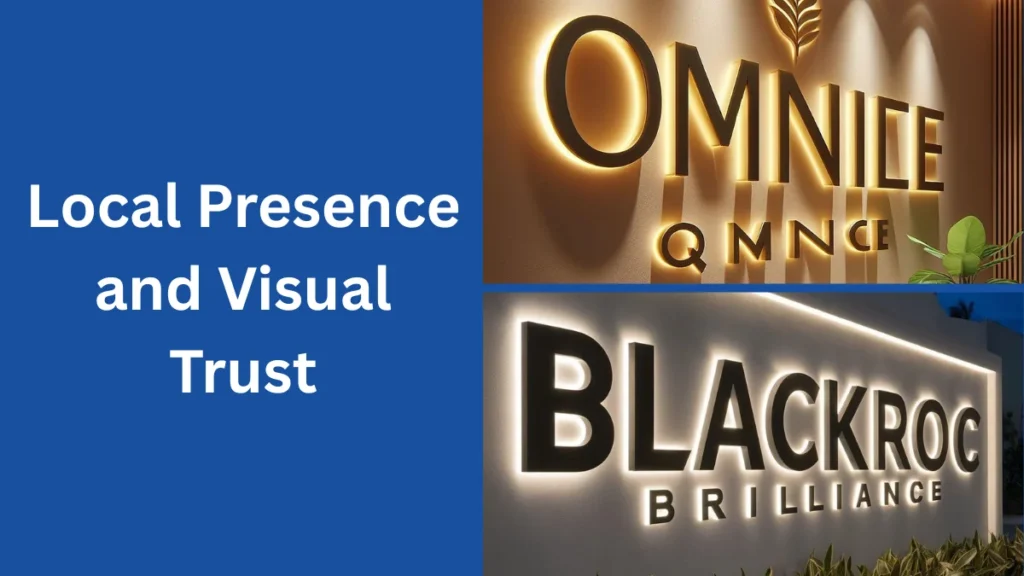
For businesses serving specific areas, consistent physical presence builds trust because people naturally feel safer choosing what they recognize. When customers repeatedly see the same branding in the same location—on storefronts, sign boards, or building entrances—it signals stability. It quietly tells them, “This business is established, it’s not temporary, and it’s here to stay.”
Seeing familiar signage also reinforces legitimacy. In many cases, customers don’t decide instantly—they notice a place once, then again a week later, then maybe a third time while passing by. That repeated exposure becomes a kind of proof. Even without interacting, the brand starts to feel dependable simply because it’s consistently visible and unchanged.
Reliability is often built through small signals like these. Clear, well-maintained signage suggests the business takes care of details, values professionalism, and respects the customer experience. Over time, that familiarity reduces hesitation—so when someone finally needs the service or product, the remembered signage makes the choice feel easier and more confident.
Many users also cross-check local visibility while researching brands. Here’s an example of how location-based presence appears publicly on Google Maps, which often supports credibility during decision-making.
FAQs About Signage (People Also Ask)
What is signage and why is it important for businesses?
Signage is a visual communication tool that helps businesses display identity, information, and direction. Effective signage improves brand recognition, supports navigation, and builds trust by making a business easier to find and understand.
What types of signage are commonly used today?
Common signage types include business signage, outdoor signage, indoor signage, digital signage, retail signage, and wayfinding signs. Each type serves a different purpose based on location, audience, and message.
How does custom signage support branding?
Custom signage reflects a brand’s personality through design, materials, and colors. It strengthens visual branding by creating consistency across spaces, helping customers recognize and remember the brand more easily.
Is digital signage better than traditional sign boards?
Digital signage isn’t better—it’s different. It offers flexible, dynamic content, while traditional sign boards provide permanence and simplicity. Many businesses use both together for balanced communication.
What should businesses consider before installing signage?
Businesses should consider visibility, lighting, location, audience movement, and brand consistency. Smart sign design focuses on clarity and context rather than size alone.
How does signage influence customer experience?
Well-designed signage reduces confusion, guides movement, and creates a welcoming environment. From shop signage to marketing signage, it quietly shapes how people interact with a space.