

Table of Contents
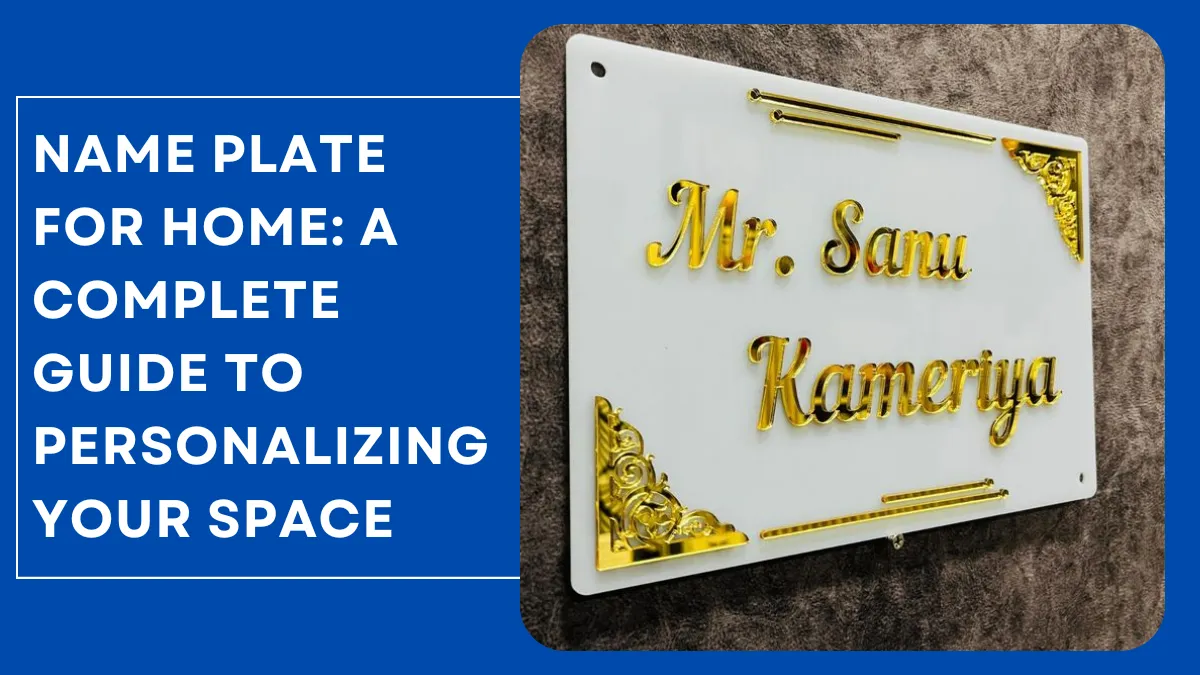
A name plate for home is one of the simplest yet most powerful ways to make a house feel like a true home. It is the first thing visitors notice when they arrive, and it quietly communicates the identity, personality, and pride of the people who live there. From polished brass plates with elegant typography to hand-painted wooden boards filled with warmth, the design choices available today are virtually endless.
Across every neighbourhood and community, homeowners are discovering that a well-chosen name plate does more than just display names — it creates a sense of belonging, establishes a presence on the street, and even plays a role in Vastu Shastra, the ancient Indian science of spatial arrangement. Whether someone is moving into a new home, renovating, or simply looking for a meaningful upgrade, choosing the right name plate deserves thoughtful consideration.
This guide walks through everything one needs to know — from design styles and materials to Vastu compliance and personalisation options — so that every reader can make the best choice for their home.
How to Make the Best Name Plate for Your Home

Creating the best name plate for a home is not just about picking an attractive design — it involves balancing aesthetics, durability, readability, and personal meaning. The following steps outline exactly how to approach this process.
1. Define Your Design Style
The first step is to settle on a design direction that matches the home’s exterior. A minimalist home with clean lines calls for a sleek, modern name plate — think laser-cut stainless steel or frosted acrylic. A traditional bungalow, on the other hand, might pair beautifully with a carved wooden or ornate brass plate.
There is a wide range of design templates available online that users can browse before making a decision. Many platforms allow customers to copy an existing template and then customise it further — adjusting fonts, colours, and decorative elements to suit their personal taste. This is a great way to visualise the end result before committing to an order.
Key design elements to consider include:
- Font style — serif fonts feel classic and timeless, while sans-serif options feel modern and clean
- Layout — horizontal versus vertical orientation, single-line versus multi-line text
- Decorative motifs — floral patterns, geometric borders, or family crests
- Colour contrast — ensuring the text name is clearly readable against the background
2. Choose the Right Size
Size matters more than most people realise. A name plate that is too small will get overlooked, while one that is too large can look out of proportion. As a general example, most residential name plates range between 10 to 18 inches in width, though this varies depending on the number of names to be displayed and the space available on the wall or gate.
If the family has multiple names to include — such as the names of two or three family members alongside the house number — a wider horizontal plate or a stacked vertical design works best. Stacked layouts allow names to sit neatly one above the other without feeling crowded.
3. Pay Attention to the Installation Site
The location where the name plate will be mounted significantly affects the choice of material and design. A plate installed near windows or in a shaded area may not need the same weather resistance as one placed on an open gate exposed to direct sunlight and rain. Outdoor name plates should be made from materials that can withstand humidity, UV exposure, and temperature changes without fading or warping.
It is also important to consider visibility from the street. The plate should be positioned at eye level and in a location where it can be easily spotted by visitors, delivery personnel, and emergency services who rely on accurate home identification as part of the neighbourhood directory.
4. Set a Realistic Budget
Name plates are available at virtually every price point — from budget-friendly acrylic options to premium handcrafted marble designs. Setting a budget early in the process helps narrow down the choices and ensures the final selection represents the best value within the available range. Users who shop online can compare prices across multiple service providers and read community reviews before making a purchase.
Popular Types of Name Plates for Homes
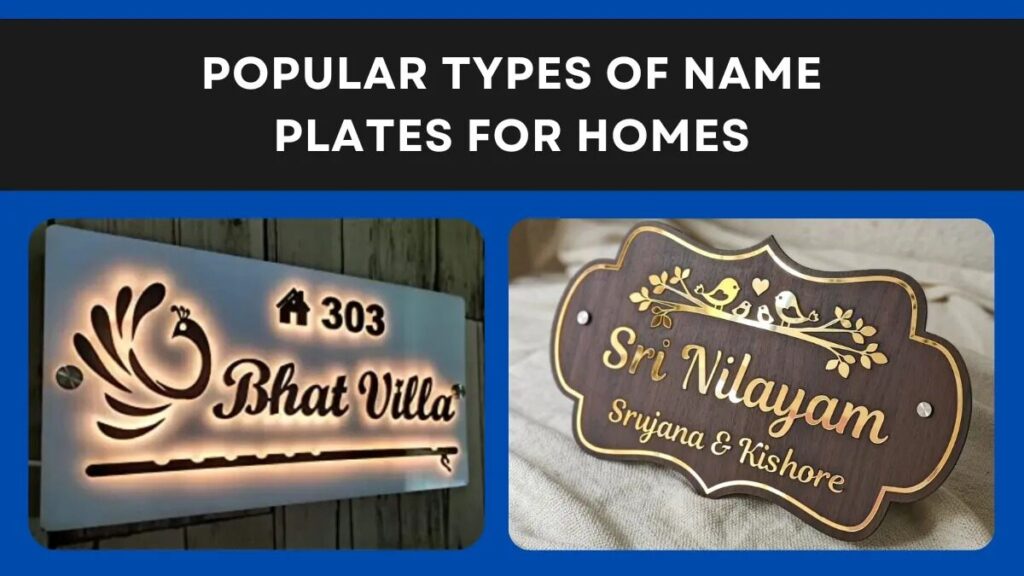
The market today offers an exciting overflow of name plate types, each suited to different architectural styles, budgets, and personal preferences. Here is a look at the most popular categories:
Metal Name Plates
Metal name plates — particularly stainless steel, brass, and aluminium — are among the most popular choices. They command attention with their polished finish and project a sense of durability and permanence. Stainless steel plates work well with modern home designs and are resistant to rust and corrosion, making them a reliable long-term choice.
Brass name plates have a warmer, more traditional appeal and are often engraved with elegant script fonts. They are a common choice in older residential areas where the architectural style calls for something with a classic character. Many manufacturers now offer laser-engraved brass plates that use computer-aided automation to produce incredibly precise lettering and detailing.
Wooden Name Plates
For homeowners who prefer a natural, warm aesthetic, wooden name plates are an excellent alternative. Teak, rosewood, and MDF are all popular choices. Carved wooden plates are particularly well-suited to homes with traditional or ethnic design themes, and they pair beautifully with natural stone or brick exteriors.
Wood requires a bit more care than metal — it should ideally be varnished or lacquered to protect against moisture. When placed under a porch or a covered entry point, a wooden name plate can last for many years while retaining its original charm.
Acrylic Name Plates
Acrylic name plates have grown tremendously in popularity because they are lightweight, affordable, and available in a virtually unlimited range of colours. Backlit LED acrylic plates are a current hot trend — the illumination makes the name visible at night and adds a modern, stylish flair to any home entrance.
Users who are looking for a budget-friendly option without sacrificing style will find acrylic plates to be an ideal match. They are also easy to clean and maintain, and they can be customised with intricate designs that would be difficult to achieve in heavier materials.
Marble and Stone Name Plates
Marble and stone name plates are a premium option that adds an undeniable sense of luxury and sophistication. These plates are heavy and require proper wall anchors for installation, but the visual impact is unmatched. Engraved marble plates are especially popular among homeowners who want their home’s exterior to make a strong statement within the community.
Stone name plates are virtually indestructible under normal conditions, and the natural texture of the material gives each plate a one-of-a-kind character. They are a particularly good fit for bungalows, farmhouses, and heritage properties.
Ceramic and Tile Name Plates
Ceramic name plates offer a charming, handcrafted look that is difficult to replicate with industrial materials. Hand-painted ceramic tiles can feature custom artwork, motifs, and colour combinations that reflect the unique personality of the family. These are a popular choice in communities where artistic expression is valued, and they make wonderful gifts for housewarming occasions.
Personalizing Your Home Name Plate
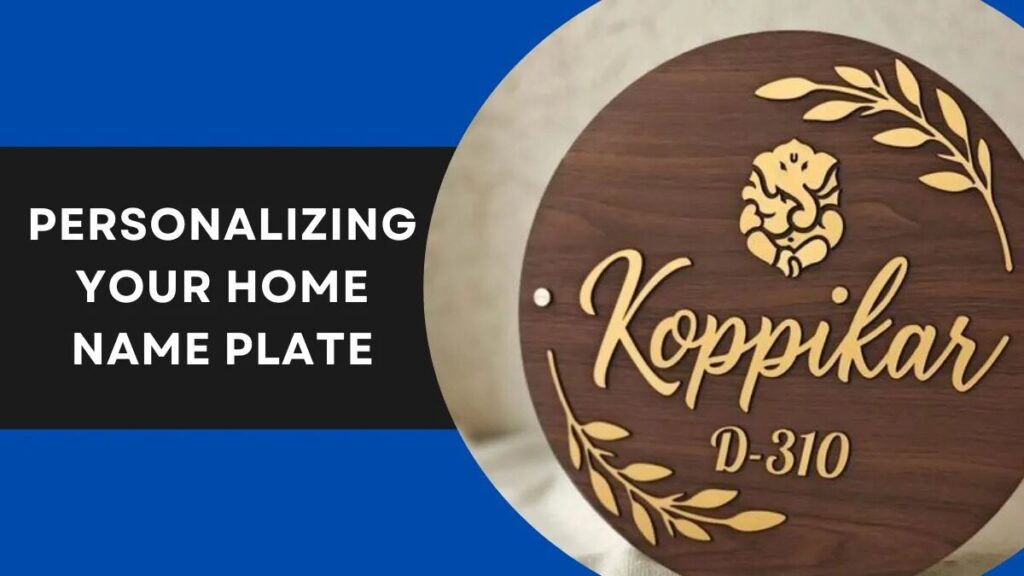
Personalisation is what transforms a generic name plate into a meaningful piece of home decor. Today, homeowners have more tools and service options at their fingertips than ever before, making it easy to create something truly unique.
Customisation Options to Explore
When personalising a name plate, there are several dimensions to consider:
- Names and titles — some families choose to include their family surname, individual first names, or even the name of their home if it has been given one
- House number — combining the name with the house number improves visibility and ensures accurate delivery and service calls
- Symbols and icons — religious symbols, zodiac signs, or a favourite motif can add a deeply personal touch
- Language and script — for families who wish to display their names in their regional language or script, many service providers offer this as a customisation option
- Alias or nickname — some households prefer to use an informal alias or nickname that the family is commonly known by in the community
How to Order a Custom Name Plate Online
Ordering a custom name plate online is a straightforward process. Most reputable platforms allow users to set up an account, choose from a range of design templates, and customise the text, font, size, and material through an intuitive digital interface. After reviewing the preview and confirming the order, the service provider handles the production and ships directly to the customer’s address.
When placing an order, it is a good idea to double-check the spelling of all names before final submission — a mistake here can be costly to correct after production begins. It is also worth asking the service provider for a digital proof before the actual work begins, so any potential problems can be caught and corrected in advance.
For families who want to support local artisans, many communities have skilled craftspeople who specialise in custom name plates. Connecting with them through local networks or artisan exchange groups is a rewarding alternative to ordering online.
Name Plate Placement as Per Vastu

In Indian households, Vastu Shastra plays an important role in guiding the placement and design of elements throughout the home — and the name plate is no exception. Following Vastu-related knowledge when choosing and placing a name plate is believed to invite positive energy, prosperity, and good fortune into the home.
According to Vastu principles, the ideal direction for the main entrance — and by extension, the name plate — is the north, northeast, or east-facing side of the house. These directions are associated with prosperity and positive energy flow. A name plate placed on a south-facing wall is generally considered less auspicious, though there are related remedies and corrections that a Vastu expert can suggest.
Other Vastu-related guidelines for name plates include:
- The plate should be clean, well-maintained, and free from chips or cracks — a damaged name plate is considered inauspicious
- Names should be written from left to right and should face the street directly
- The use of auspicious symbols such as Om, Swastika, or Ganesha alongside the family name is encouraged
- Bright, positive colours like white, cream, yellow, or green are preferred over dark or dull tones
- Illuminated or backlit name plates are considered especially positive as they symbolise light and prosperity
How to personalize a name plate for home?
Personalising a name plate for home is easier than ever thanks to the wide range of online platforms and local artisans available today. The process typically begins by selecting a material and design template that suits the home’s style. From there, users can customise the text — including the family name, house number, and any additional details — along with the font, colour scheme, and decorative elements. Most online service providers allow customers to preview their design before placing the final order, which helps ensure the result meets expectations. For a more hands-on approach, some homeowners choose to work directly with craftspeople in their community to create something completely one-of-a-kind.
What are the best materials for customized name plates?
The best material for a customised name plate depends on the home’s exterior design, the local climate, and personal preference. Stainless steel and brass are excellent choices for durability and a polished finish. Wood offers warmth and a natural appeal, especially for traditional-style homes. Acrylic is a versatile and budget-friendly alternative, while marble and stone represent a premium, long-lasting option. Ceramic is ideal for those who appreciate artistic, handcrafted work. Each material has its own set of care requirements and aesthetic qualities, so it is worth considering how well the choice aligns with the home’s overall look before making a decision.
How long does it take to get a custom name plate delivered?
Delivery time for a custom name plate varies depending on the service provider, the complexity of the design, and the shipping location. For most online platforms, production and delivery typically take anywhere from five to fourteen working days. More elaborate designs — such as those involving hand carving, intricate engraving, or custom artwork — may take longer. Customers who need a name plate urgently should communicate this clearly at the time of order; many service providers offer expedited production for an additional charge. It is also a good idea to account for potential problems such as transit delays, especially for orders during peak seasons or to remote locations.
What should I consider when choosing a name plate for my home?
When choosing a name plate, several factors deserve careful thought. The design should complement the home’s exterior and architectural style. The material should be appropriate for the installation site — outdoor plates need to be weather-resistant, while indoor plates have more flexibility. Readability is essential: the font size, contrast, and placement should ensure the name and number are clearly visible from the street. Budget is another consideration, as there is a wide range of price points available. Finally, Vastu guidelines can also play a role in the decision for families who follow these principles. Taking the time to work through each of these factors will help ensure the final choice is both practical and personally meaningful.
Which type of name plate is good for home?
There is no single answer that applies to every home, as the best type of name plate depends on the context. For modern homes, backlit acrylic or stainless steel plates tend to work well. For traditional or heritage-style homes, brass or carved wooden plates are a better fit. Marble plates suit upscale residences that want a grand, premium look. Ceramic plates are a great option for those who want something artistic and personal. A good design should be visible to visitors while remaining consistent with the home’s overall aesthetic. It is also worth considering the climate — in coastal or humid areas, materials with strong moisture resistance are the smarter long-term choice.
Can I make a name plate at home?
Yes, it is absolutely possible to make a name plate at home, and many creative homeowners enjoy the process of crafting something by hand. Simple materials like MDF boards, clay, or slate can be transformed into beautiful name plates with a bit of patience and creativity. Acrylic paints, stencils, and adhesive vinyl lettering are commonly used tools in DIY name plate projects. There is also a wealth of tutorials and design ideas available online that walk users through the step-by-step process. While homemade name plates may not always match the precision of professionally produced ones, they carry a unique charm and a personal story that no factory-made product can replicate.
Do name plates add value to a home?
While a name plate may not dramatically increase the market value of a property in financial terms, it certainly adds value in more subtle and meaningful ways. A well-designed name plate enhances the curb appeal of a home, making a positive first impression on guests, neighbours, and potential buyers. It signals that the residents take pride in their home and pay attention to detail — qualities that reflect well on the property as a whole. Within the community, a clearly visible name plate also improves the home’s identification, making it easier for service providers, delivery personnel, and visitors to locate the address accurately. In this sense, a good name plate contributes to both the aesthetic and functional value of the home.
How should the name plate be as per Vastu?
According to Vastu Shastra, a name plate should ideally be placed at the main entrance on a wall that faces north, northeast, or east. The name plate should be kept clean and in good condition at all times — a broken or faded plate is believed to invite negative energy. Names should be written clearly and from left to right, facing the street. Positive and auspicious symbols can be incorporated into the design alongside the family names. Bright colours such as white, yellow, or green are considered favourable, and illuminated name plates are particularly encouraged as they represent light, clarity, and prosperity. Following these guidelines is believed to attract good fortune and harmonious energy into the household.