

In a fast-paced, visually dense commercial environment like Dubai, capturing and retaining customer attention requires dynamic, motion-driven communication. Retail stores, commercial avenues, showrooms, and corporate towers feature intense visual competition where static signage often blends into the background.
Integrating high-performance advertising screens into an architectural facade, shopfront window, or corporate interior provides an unmissable visual anchor that projects real-time campaign messages and dynamic brand storytelling.
Unlike traditional printed boards that require physical replacement for every marketing campaign, digital LED technology empowers organizations to change messaging instantly and showcase high-resolution graphics.
Whether you are managing a luxury retail store in Downtown Dubai, an event booth at the Dubai World Trade Centre, or a high-traffic restaurant chain, deploying dynamic visual technology transforms plain surfaces into high-converting commercial assets.
At Unitec Advertising, we help UAE businesses evaluate the material science, pixel physics, and structural requirements of modern digital displays to ensure long-term durability and maximum return on investment.
The Technical Foundations of Modern Commercial LED Technology
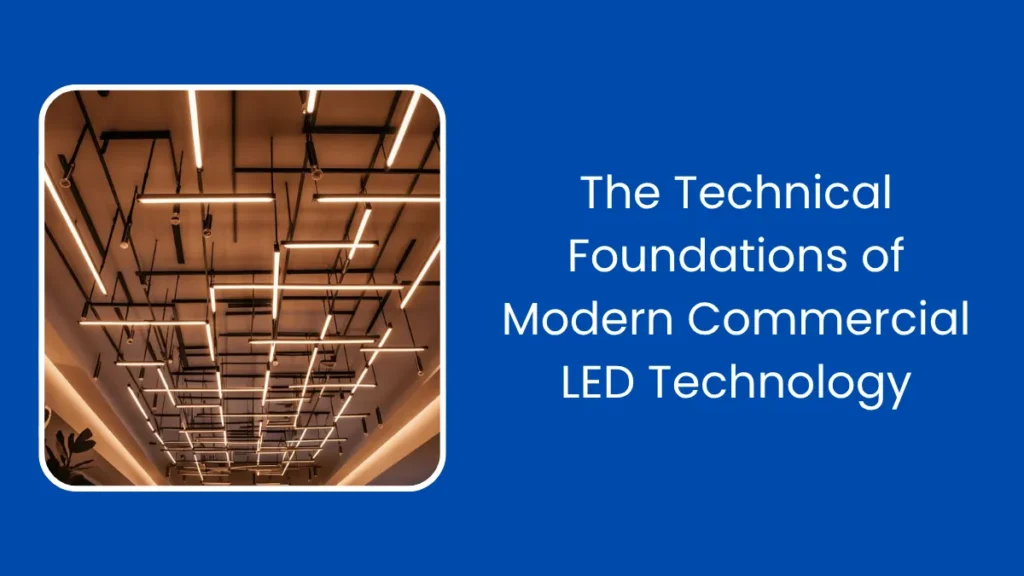
To select the ideal digital display for your commercial premises, it is vital to understand the underlying optical engineering and structural metrics that govern screen performance. Commercial display panels are designed to perform reliably under specific lighting and climate conditions.
Pixel Pitch and Optical Resolution
- Pixel pitch refers to the physical distance in millimeters between the center of one light-emitting diode and the center of the adjacent diode.
- A smaller pixel pitch indicates higher diode density, delivering ultra-high-definition clarity required for close-up viewing. Larger pixel pitches are optimized for long-distance viewing, where individual diodes merge seamlessly when viewed from meters away.
Luminous Intensity and Nit Brightness
- Indoor environments with controlled ambient lighting typically require balanced brightness levels to deliver vivid visuals without glaring. Outdoor screens facing direct, unfiltered Middle Eastern sunlight require intense illumination.
- If an outdoor display lacks sufficient luminous intensity, direct daylight washes out the graphic contrast, rendering the messaging unreadable.
Environmental Protection
- Outdoor commercial displays operating in Dubai must endure extreme environmental stress, including high summer temperatures, blowing desert dust, and coastal humidity.
- Weather-resistant construction protects internal components from degradation and ensures long-term operational stability.
8 Essential Display Types for Commercial Environments
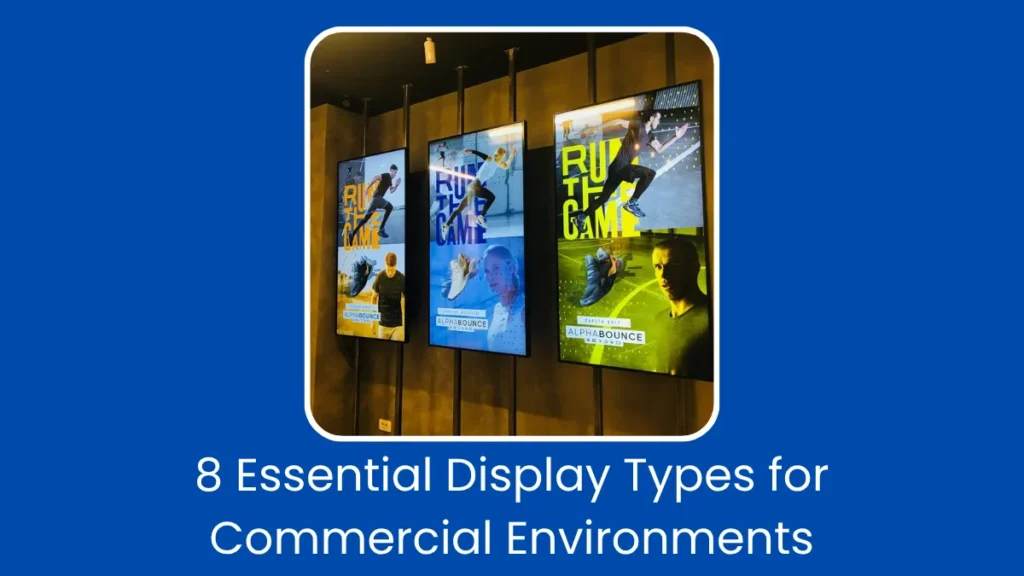
Choosing the right physical format depends on your architectural layout, target viewing distance, ambient light levels, and primary marketing objectives.
High-Resolution Internal Panels: The Indoor LED Screen
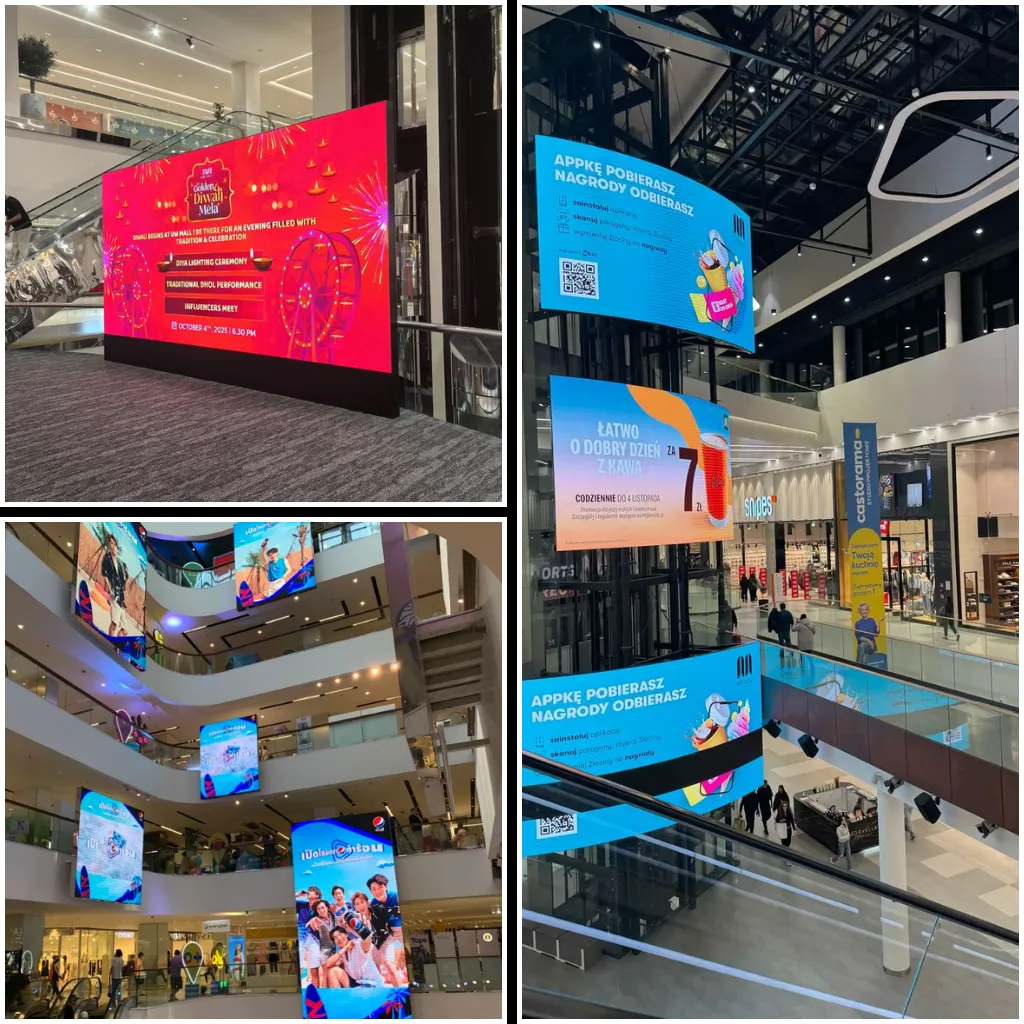
Engineered for customer-facing spaces where viewers stand close to the screen, an INDOOR LED SCREEN delivers flawless close-range visual engagement. Built with ultra-fine pixel pitches and wide viewing angles, these displays are optimal for luxury retail shopfronts, corporate reception lobbies, and indoor shopping mall concourses.
Weather-Sealed Exterior Panels: The Outdoor LED Screen
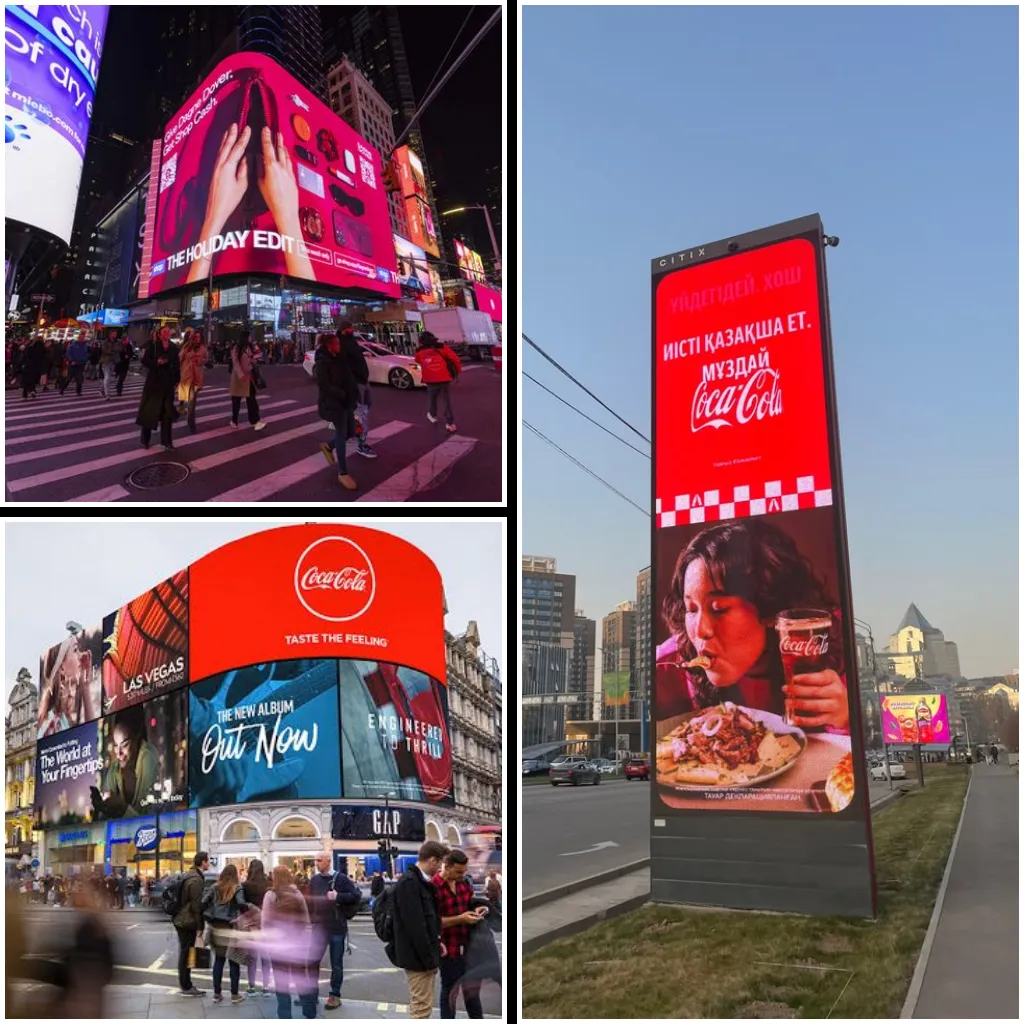
Combining ultra-high brightness with heavy-duty structural enclosures, an OUTDOOR LED SCREEN dominates long-distance visibility across highways and outdoor commercial plazas. These rugged systems are built to resist direct sun and dust storms, making them ideal for building facades and roadside promotional structures.
Architectural Glass Displays: The Transparent LED Screen
A TRANSPARENT LED SCREEN allows businesses to turn window glass into active branding space without blocking natural daylight or obstructing views into the store. Utilizing slim vertical strips mounted on lightweight frames, they display vibrant floating motion graphics while preserving architectural transparency.
Soft-Module Contoured Screens: The Flexible LED Screens
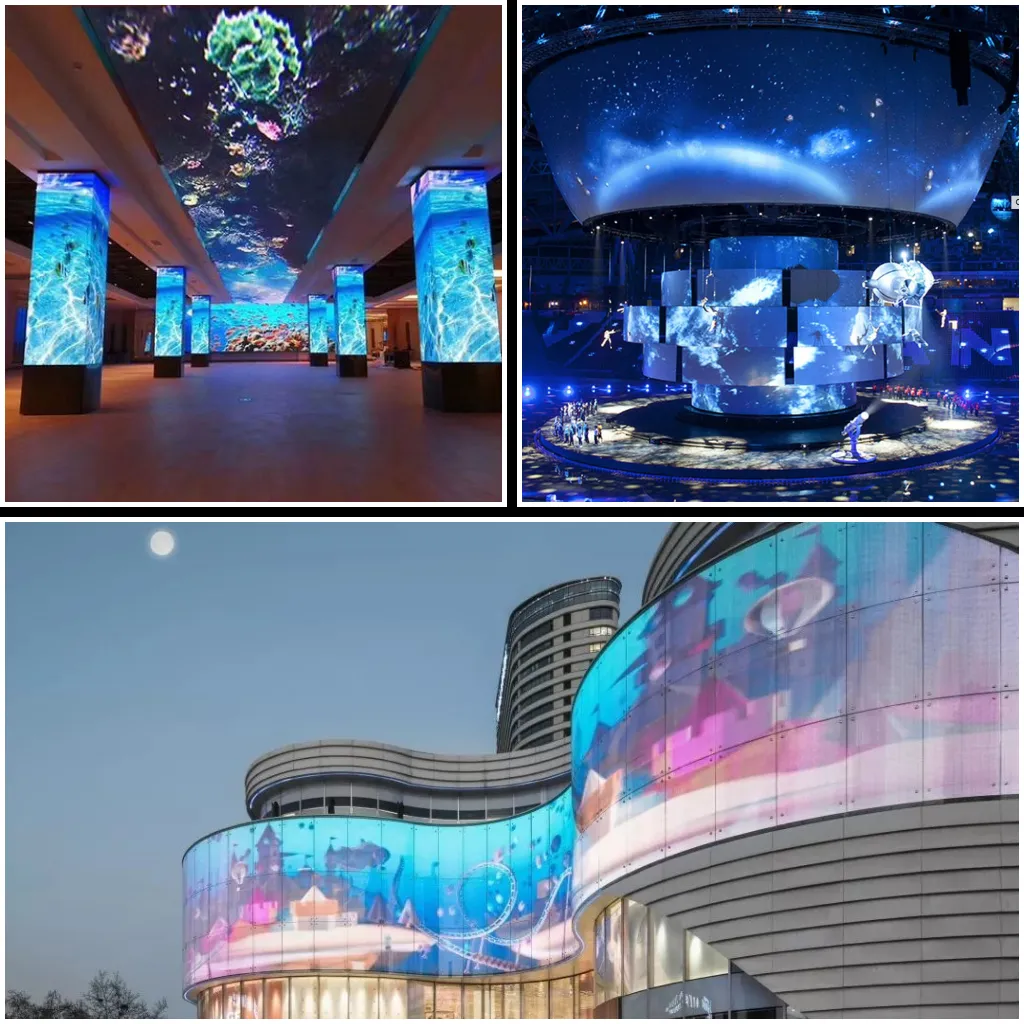
When an interior space features curved walls, circular columns, or non-standard architectural lines, a FLEXIBLE LED SCREEN is the perfect solution. Utilizing soft silicone substrates and pliable circuit boards, they wrap smoothly around challenging surfaces, converting structural columns into immersive visual features.
Mobile Freestanding Units: The LED Poster Display
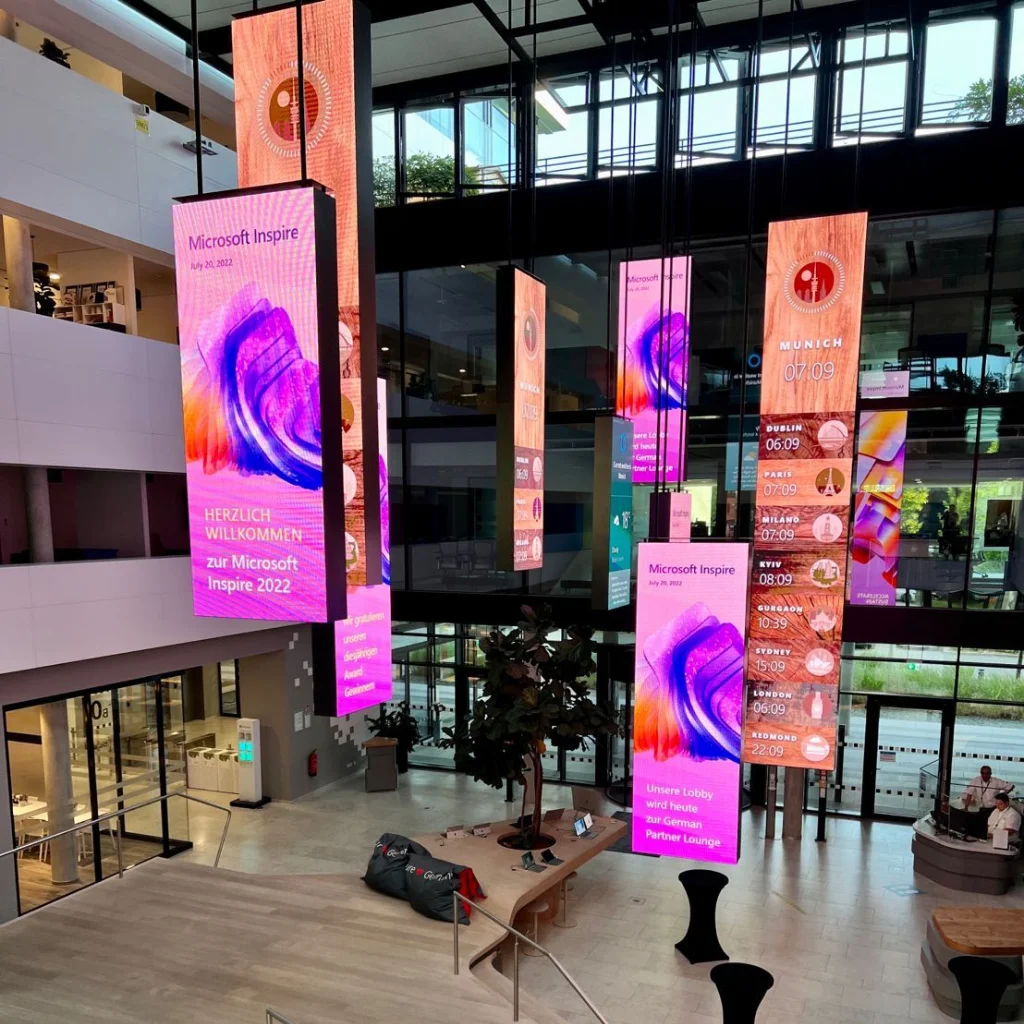
A standalone LED POSTER DISPLAY is a sleek, plug-and-play vertical unit housed in an ultra-thin frame. Equipped with built-in media players and wheels, these screens offer effortless mobility for fast-changing promotional setups at trade show booths, seasonal mall pop-ups, and boutique store entrances.
Building-Scale Open Grids: The Mesh LED Curtains
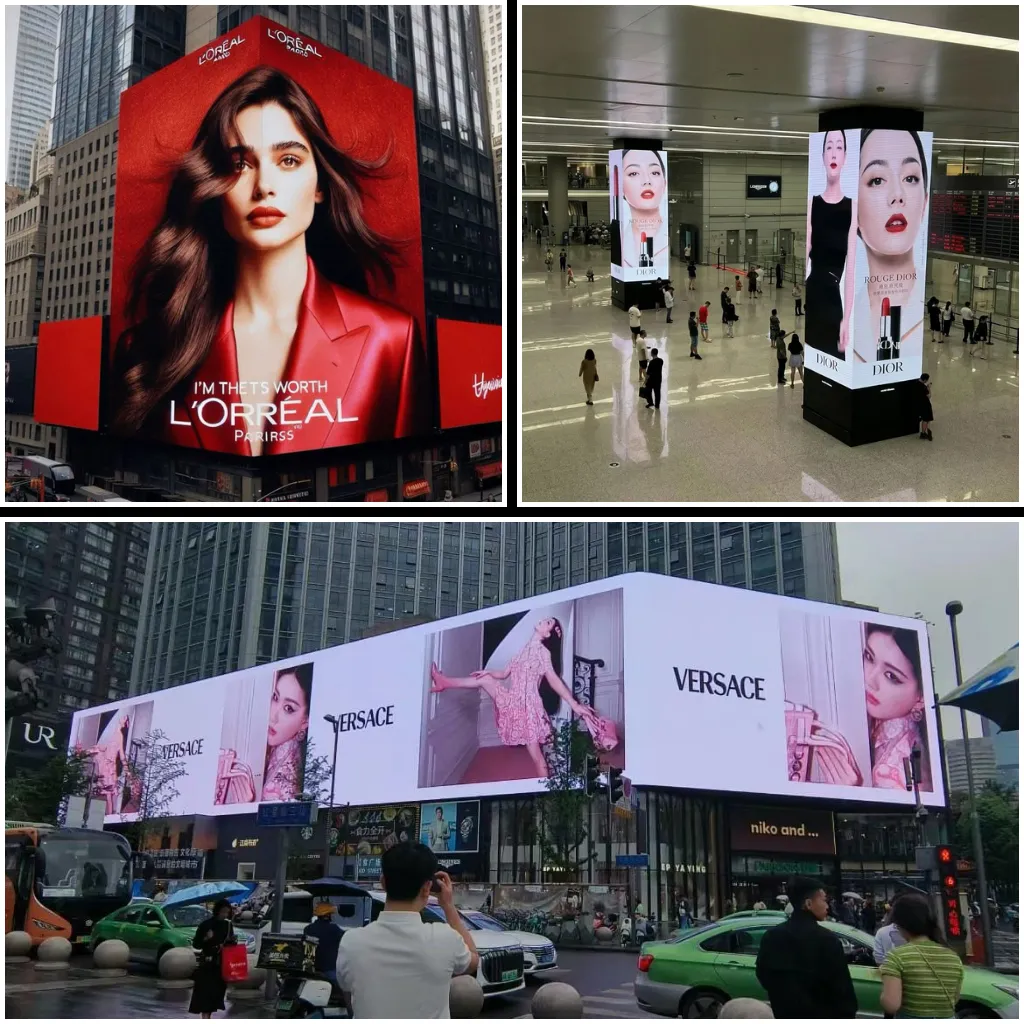
Designed for massive exterior installations, MESH LED CURTAINS feature an open-grid structure that allows wind and light to pass through. Because they are significantly lighter than solid panels, they drastically reduce structural load requirements on high-rise building envelopes, transforming multi-story towers into digital landmarks.
Seamless Modular Canvases: The LED Video Walls
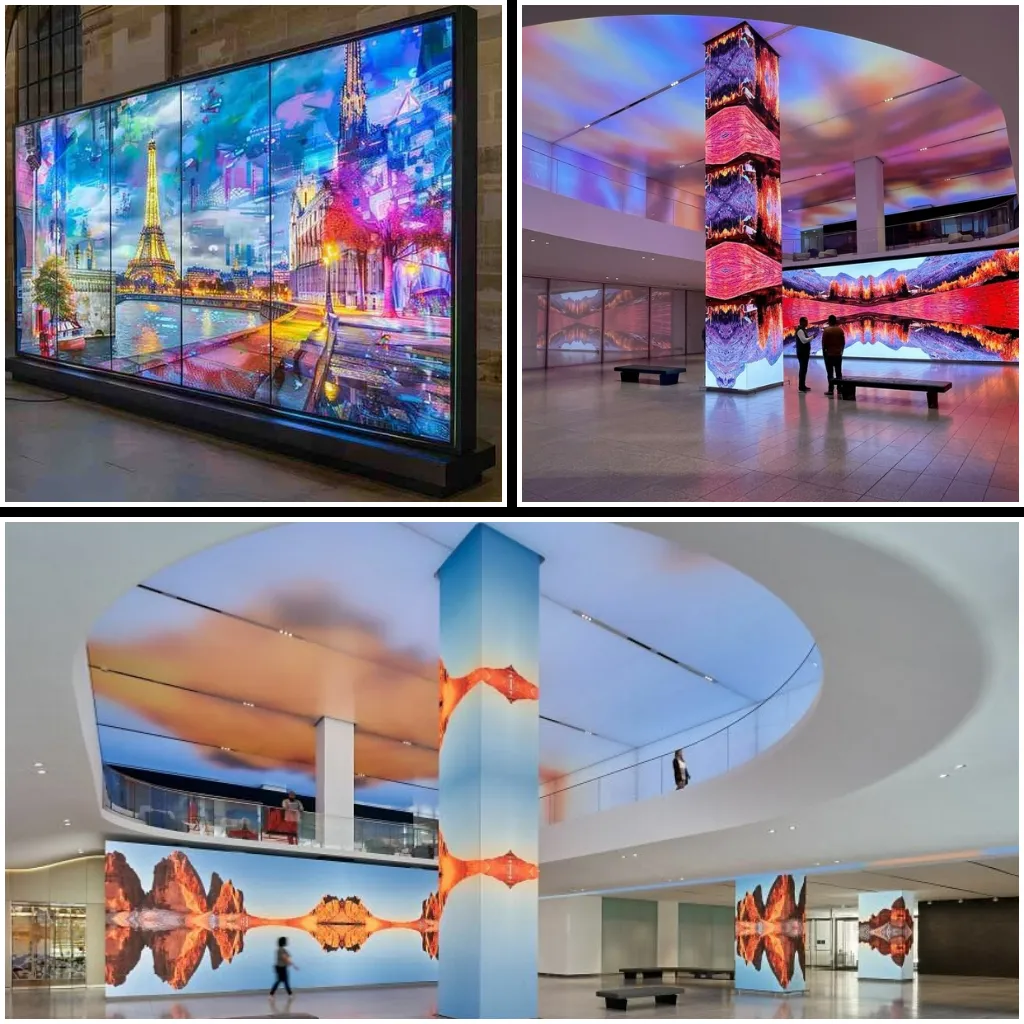
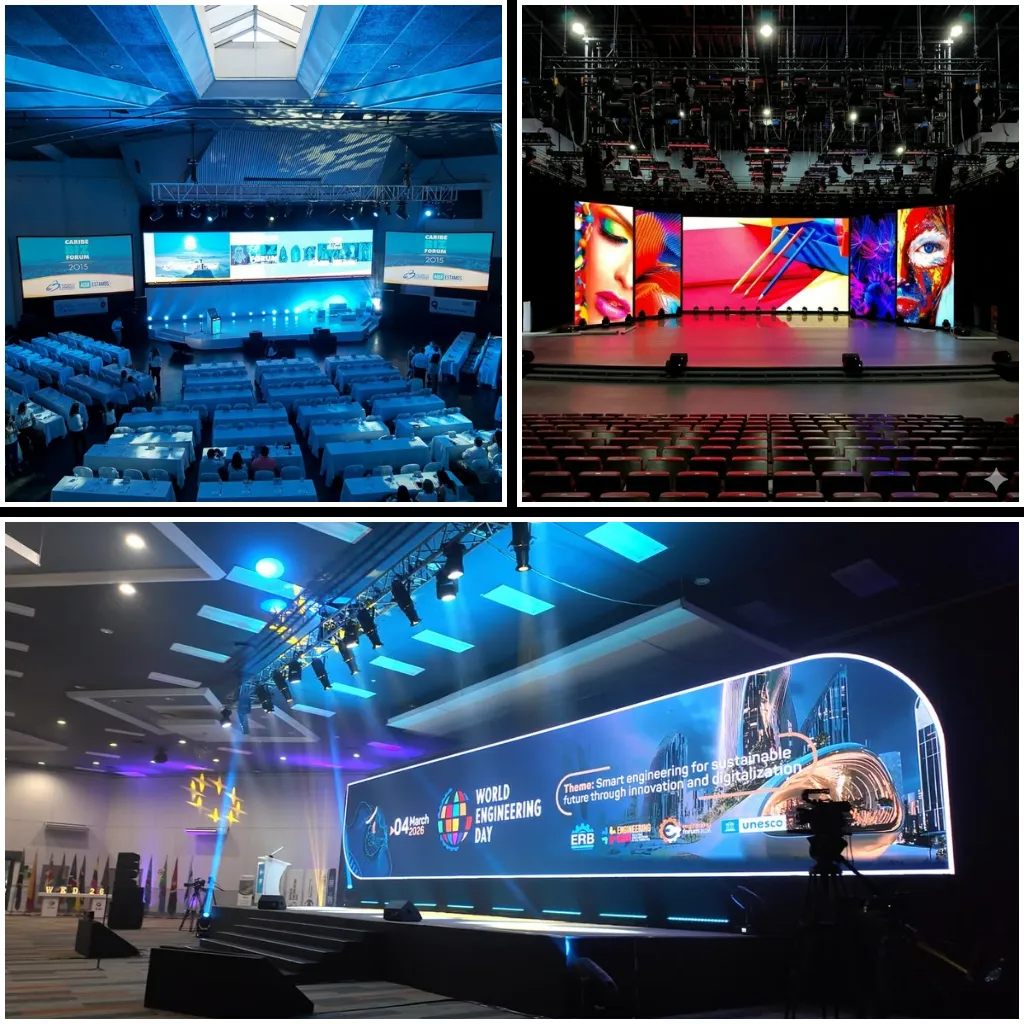
Combining multiple modular cabinet panels into a single visual canvas, LED VIDEO WALLS deliver grand, uninterrupted visual impact. Unlike standard LCD grids that feature thin black borders between screens, this format presents a continuous, bezel-free graphic surface for executive boardrooms, control centers, and flagship retail feature walls.
High-Clarity Ordering Systems: The Digital Menu Boards
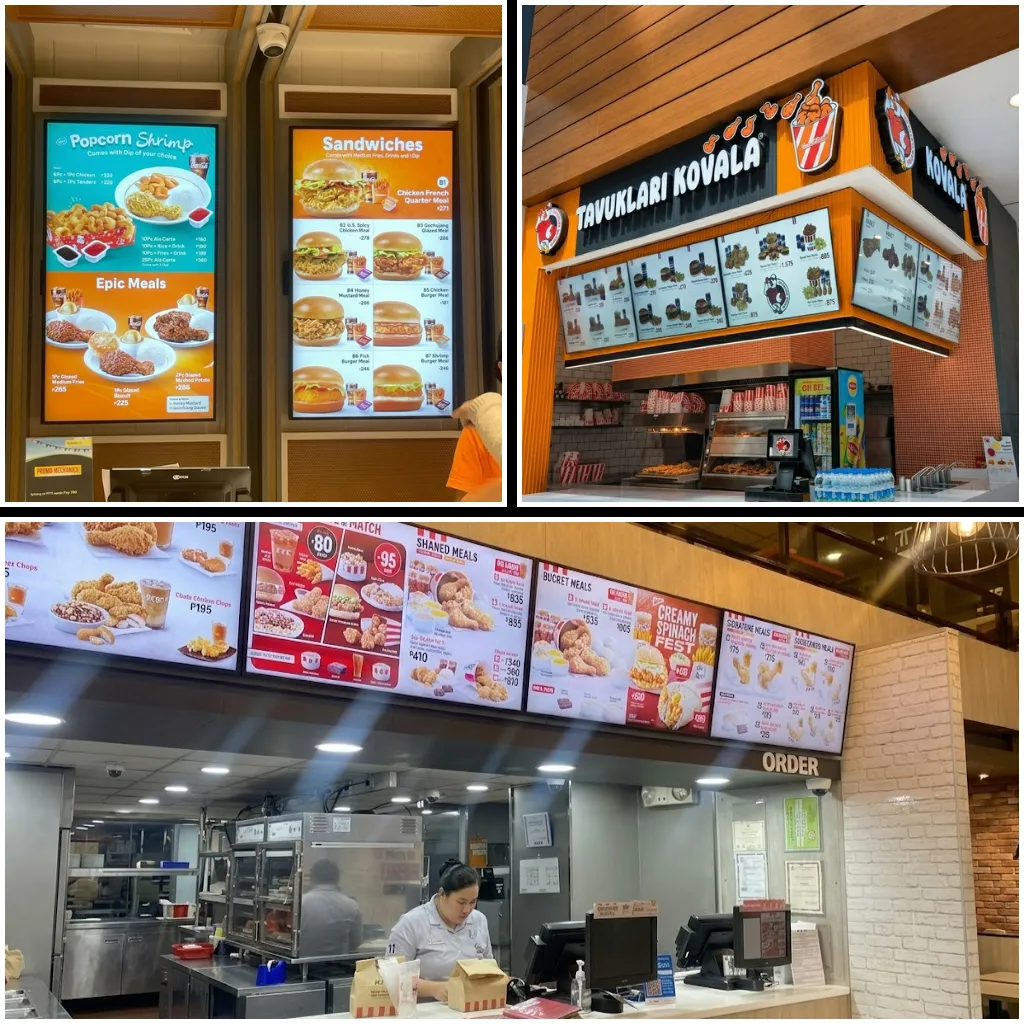
Designed specifically for the food and hospitality sectors, Digital Menu Boards present items, promotional combos, and daily specials with absolute visual clarity. They allow instant price adjustments and automated updates, streamlining guest decisions and accelerating queue ordering times.
Multi-Display Ecosystems: Creating Cohesive Visual Touchpoints
Single screens attract attention, but strategic multi-screen ecosystems guide consumers seamlessly through the buying journey. By pairing complementary display technologies, businesses create immersive marketing environments.
| Retail Zone | Recommended Display Setup | Primary Commercial Function |
| Street/Corridor | Transparent Window Display | Captures passing foot traffic without blocking daylight. |
| Entrance Zone | Freestanding Mobile Poster | Guides visitors and promotes daily flash sales. |
| Main Sales Floor | Seamless Modular Wall | Delivers immersive, large-scale brand storytelling. |
| Checkout Desk | High-Clarity Menu Screen | Drives high-margin upsells directly at the point of purchase. |
Strategic Selection Framework: Calculating Your Display Parameters

Investing in commercial display technology requires careful engineering calculations to ensure the hardware aligns perfectly with your physical space.
Calculate the Minimum Viewing Distance
Determine how close your audience will stand to the screen. A closer viewing distance requires a finer pixel pitch for crisp image quality, while displays mounted high on a wall or roadside can utilize a larger pitch for cost-efficiency.
Verify Ambient Light Conditions
Assess direct sunlight exposure during peak afternoon hours. Fully shaded indoor rooms require moderate brightness, while direct outdoor installations facing the open sky in Dubai demand maximum luminous output.
Plan Structural Mounting and Service Access
Determine whether your installation surface requires front-service access (where modules are removed using magnetic tools) or rear-service access (requiring walking space behind the cabinet).
Critical Planning Mistakes to Avoid
Selecting commercial display technology without proper technical site audits can lead to poor visual performance and premature hardware failure.
Ignoring Viewing Distance
Choosing a screen that is too small for the space, or a resolution that is too low for close-up viewers, will render the message unreadable or highly pixelated.
Underestimating Environmental Factors
Installing indoor-rated panels outdoors leads to immediate thermal buildup, diode failure, and moisture damage. Outdoor displays must possess proper weather resistance and brightness.
Poor Content Optimization
Designing video content with poor contrast, tiny fonts, or too much text reduces the screen’s commercial impact. Advertising graphics must be simple, direct, and formatted to the exact pixel dimensions of the display.
Commercial Digital Display Fabrication with Unitec Advertising
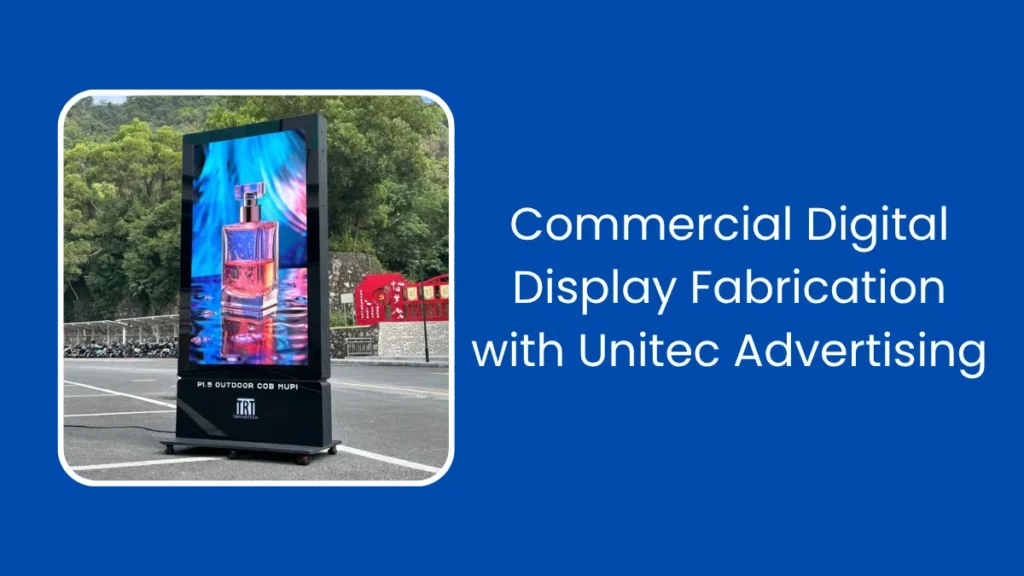
Executing a successful commercial screen deployment requires a manufacturing and engineering partner with deep local expertise, technical precision, and complete structural installation capabilities. At Unitec Advertising,
we provide end-to-end solutions for advertising screens, helping businesses convert physical spaces into high-impact visual landmarks. Our technical team conducts thorough on-site environmental audits, evaluating wall load limits, power access, ambient glare, and viewing angles before recommending hardware configurations.
We utilize high-grade components, weather-sealed enclosures, and optimal pixel pitches to ensure your display maintains blinding color accuracy and performance across years of continuous operation. From sleek indoor panels to massive outdoor building facades, we handle structural fabrication, electrical integration, and professional installation.
So contact us at 971589412091.
Find us on Google Maps.
Get a free quote now: https://unitecadvertising.ae/request-a-quote/
Note: Read Our Latest Blogs Also
- LED Advertising Screens in Dubai: A Complete Guide for Business Visibility
- Premium House Name Plate Guide: Materials & Styles for Dubai Homes
- The Complete Guide to Reflective Stickers Benefits for Dubai Businesses
- Premium Outdoor Flags Printing Guide: Types & Styles for Dubai Brands
- Promotional Roll-Up Banners for Business: A Smart Dubai Guide for Better Visibility
What is the main difference between internal and external digital display panels?
Internal panels feature ultra-fine pixel pitches for close-range viewing and balanced brightness levels suitable for controlled lighting. External panels utilize heavy-duty weather-sealing against heat and dust, paired with maximum brightness to combat direct sunlight.
How do transparent glass displays work without blocking daylight?
They utilize slim horizontal strips mounted on a lightweight framework with wide open spaces between the diodes. This grid design allows natural sunlight to pass through the glass, keeping the interior space bright while projecting crisp motion graphics on the exterior.
Why is pixel pitch critical when choosing a display for a retail store?
Pixel pitch dictates image resolution and minimum viewing distance. A fine pixel pitch ensures that shoppers standing just two meters away see crisp text and high-definition video without seeing individual light dots.
Can digital ordering screens update prices and items automatically?
Yes. Modern digital menu systems connect to content management software, allowing restaurant operators to update prices, launch seasonal promotions, or switch from breakfast to dinner menus instantly across multiple locations.
Are soft-module displays durable enough for commercial pillar installations?
Yes. Flexible displays utilize soft silicone modules and pliable printed circuit boards engineered specifically for curved architectural surfaces. Once mounted onto a rigid curved frame, they deliver structural stability and premium optical performance.
What is the operational lifespan of a commercial-grade digital display?
High-quality commercial panels built with premium diodes and proper heat dissipation enclosures are engineered for years of continuous, round-the-clock operation before experiencing any significant brightness degradation.
Why is weather protection important for outdoor displays in Dubai?
Outdoor displays face extreme temperatures, coastal humidity, and seasonal dust storms. Specialized weather-proof sealing protects internal circuitry from moisture and particle intrusion, preventing system failure.
How are seamless modular canvases different from standard LCD monitor arrays?
Standard LCD video screens feature thin plastic borders that create a visible grid pattern across the image. Modular canvases fit together with zero gaps, creating a fully seamless, uninterrupted visual field regardless of the total screen size.