
Making a structural decision about storefront visibility, office privacy, or architectural graphics in the UAE requires more than just picking a design. The operational reality of vinyl branding in Dubai means combatting intense summer heat, extreme UV radiation, abrasive desert dust, and constant interior air-conditioning moisture.
Choosing the wrong substrate leads to premature peeling, thermal cracking, and brand degradation. This guide breaks down the physical mechanics of commercial-grade polymers, helping B2B corporations, retail managers, and property developers engineer branding spaces that last.
The Material Science Behind Commercial-Grade Adhesives
To understand why some graphics survive years on high-traffic retail fronts while others fail in months, you must look at the base engineering. Professional-grade Polyvinyl Chloride (PVC) is formulated to handle severe thermal expansion and contraction.
When exposed to direct sunlight, building surfaces heat rapidly. Standard paper or low-grade plastics warp under this stress. Premium commercial graphics utilize high-tack acrylic adhesives designed to bond at a molecular level with porous and non-porous substrates like glass, aluminum, and concrete.
Furthermore, high-resolution large-format graphics rely on UV-resistant inks—typically cured chemically during the printing process—ensuring that vibrant CMYK and Pantone colors remain colorfast even under relentless glare.
Analyzing Core Material Types for UAE Environments

Optimizing a physical branding space requires matching the specific polymer type to its operational environment. Here is a technical comparison of primary solutions.
Full Vinyl Glass Stickers

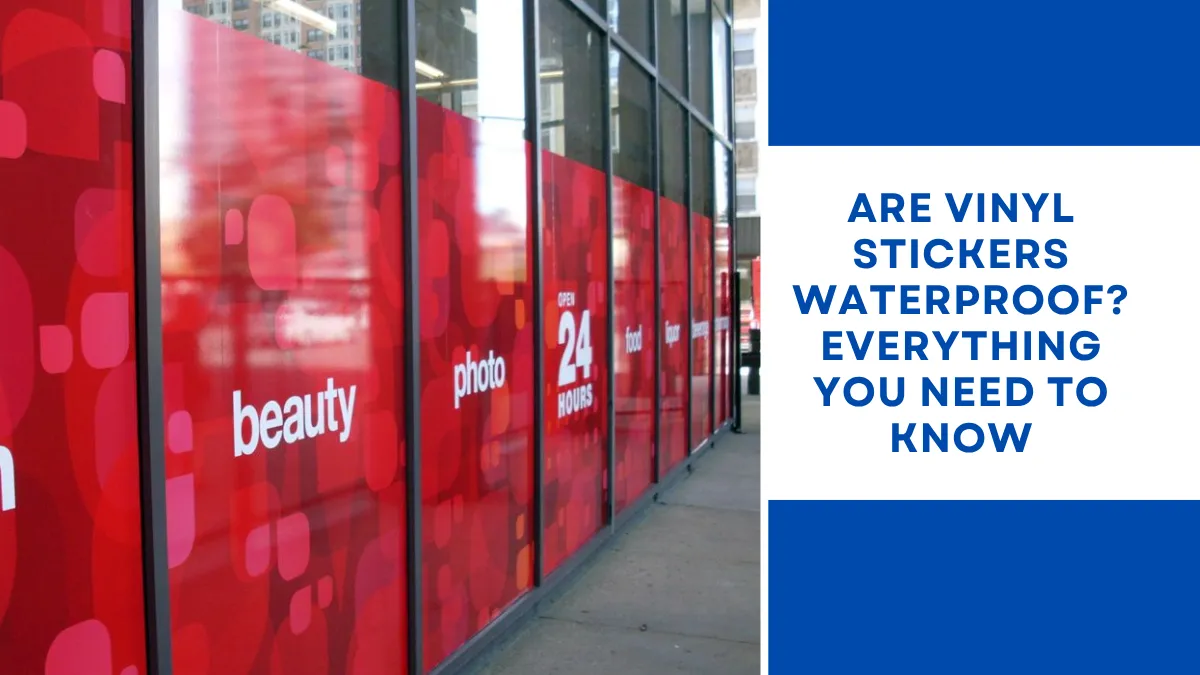
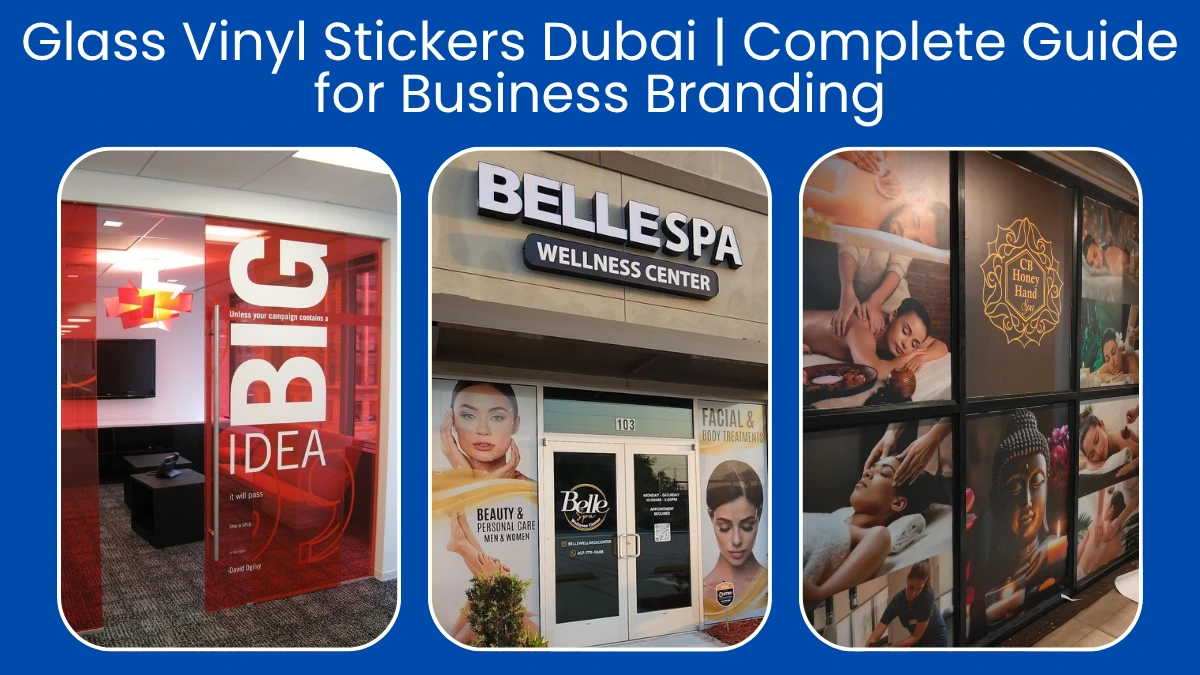
Designed for maximum coverage and absolute visual separation, these thick PVC layers completely block line-of-sight. They are highly effective for hoarding applications, transforming under-construction retail spaces into massive advertising assets, or converting meeting room glass into private enclosures.
Black Cooling Glass Tint
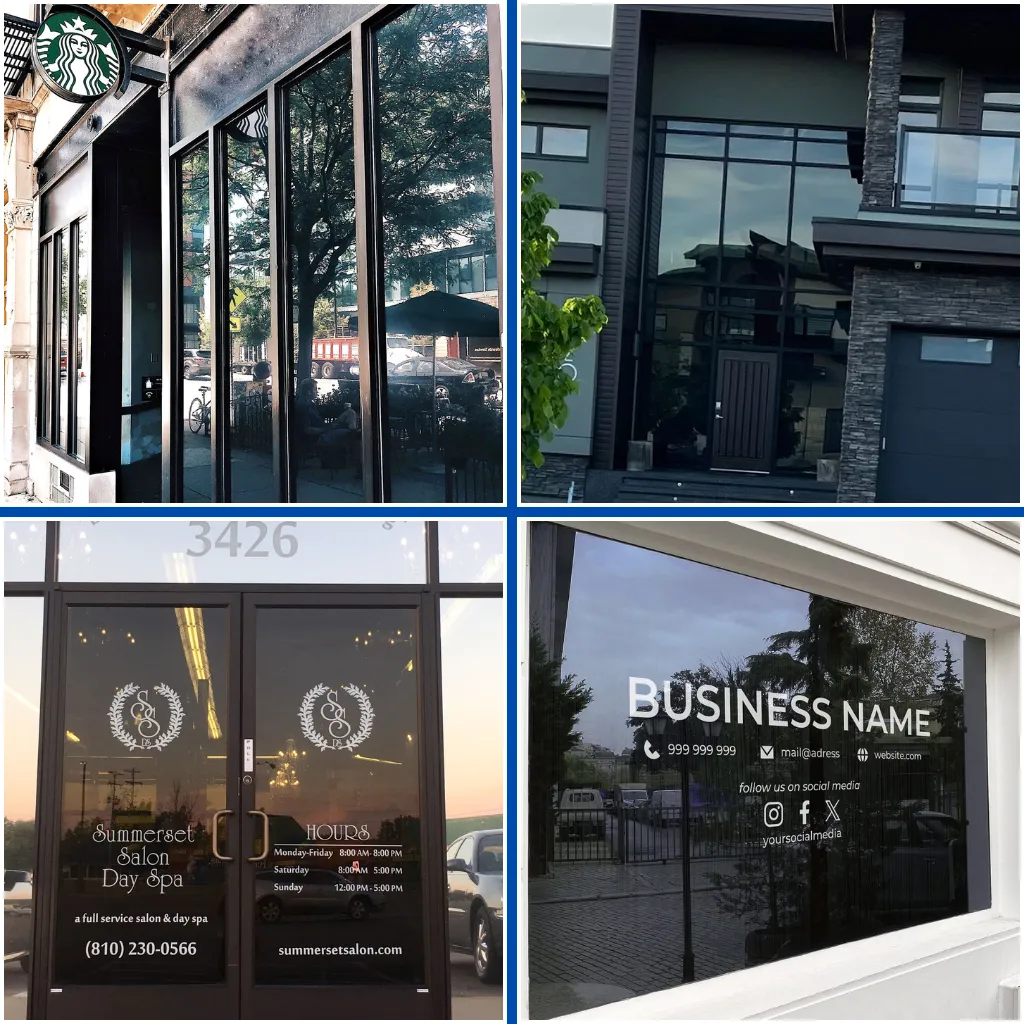
Heat rejection is a critical operational challenge in the UAE.
- Cooling tints are engineered with advanced metallic or ceramic micro-layers that actively block UV rays and reduce infrared heat transfer.
- This application significantly lowers indoor temperatures, reduces HVAC energy loads in corporate offices, and protects interior furniture from sun bleaching, all while maintaining one-way exterior visibility.
Printed Lamination Glass Sticker

For environments subjected to heavy physical interactions—such as premium mall walkways or busy clinic entrances—surface graphics require an overlaminate. T
- This clear, heavy-duty protective film is bonded over the printed ink layer.
- It acts as an anti-graffiti shield, prevents scratching, and seals the edges against harsh chemical cleaning agents and coastal humidity.
Logo & Branding Vinyl Stickers
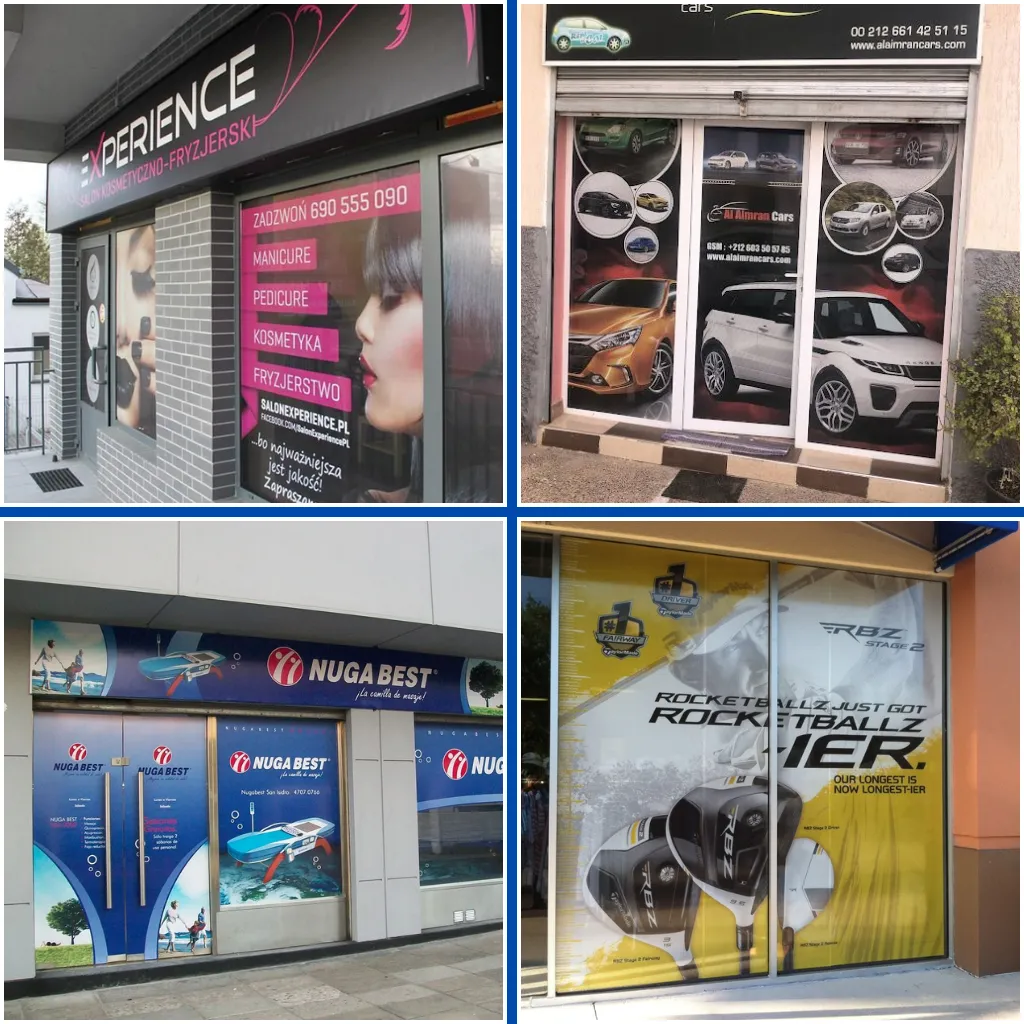
Precision is paramount for corporate identity.
- Using advanced plotter-cutting technology, these graphics are sliced seamlessly to the exact vector paths of a brand mark.
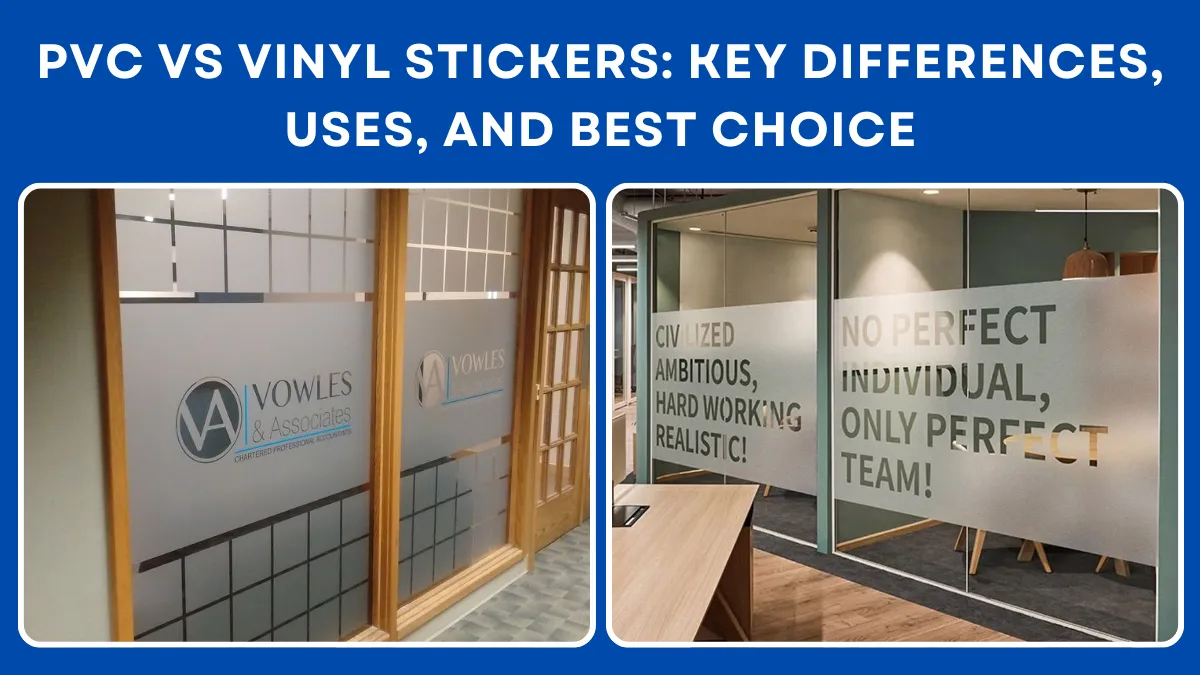
- This creates a clean, minimalist aesthetic with zero background film, making it ideal for glass doors and reception backdrops where architectural transparency must be maintained.
Shop Vinyl Branding Sticker
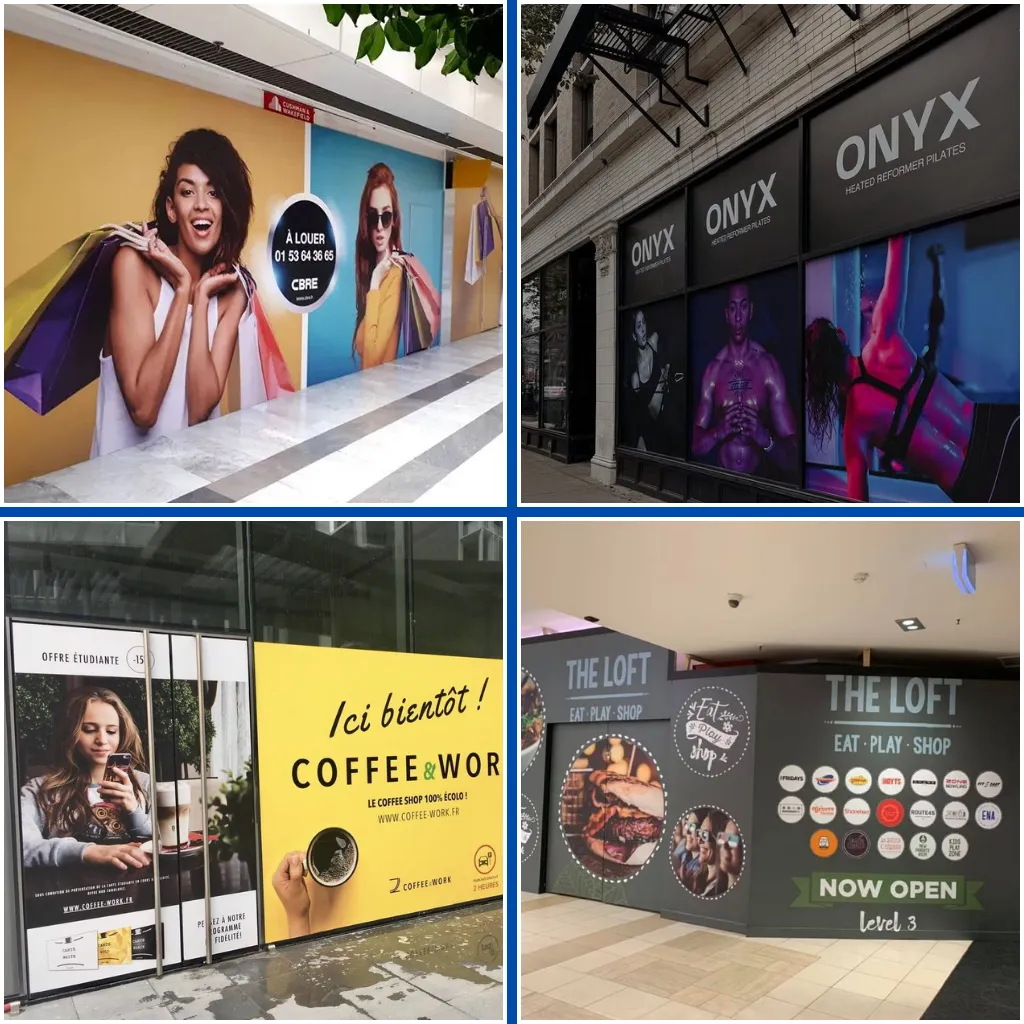
Storefront conversion demands high-impact visual height and pedestrian interaction targeting.
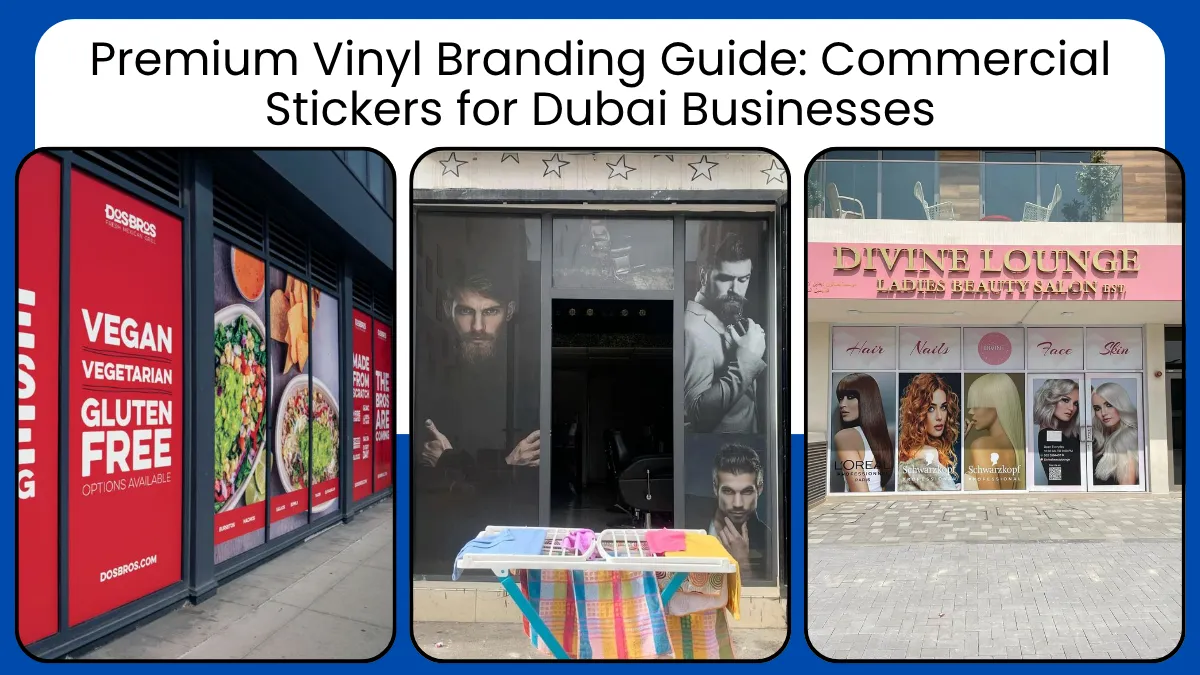
- These materials are calibrated to display sharp, photo-realistic imagery that captures the attention of fast-moving foot traffic.
- They are often engineered with micro-channels in the adhesive layer to ensure a flawless, bubble-free installation on large structural facades.
Colored Vinyl Outdoor Stickers

Outdoor applications require supreme weathering resistance.
- Pigmented outdoor films are manufactured with the color embedded entirely through the polymer, rather than just printed on the surface.
- This ensures long-term color stability against UV fading and environmental pollutants, making them the superior choice for exterior directional signage and boundary wall branding.
Strategic Combinations for Maximum Impact
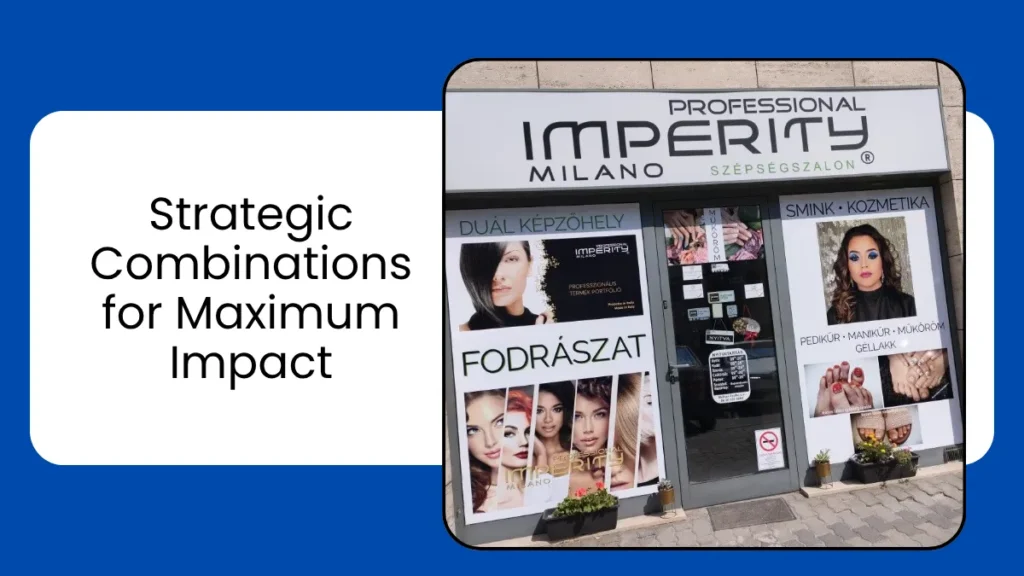
Complex architectural spaces often require a hybrid approach.
- For instance, pairing a Black Cooling Glass Tint on the upper exterior of a retail facade reduces heat, while deploying plotter-cut Logo Stickers at eye level ensures brand recognition without obstructing the view.
- Similarly, using Full Vinyl on the lower half of an office partition provides desk-level privacy, while leaving the top clear allows natural ambient light to flow through the workspace.
How to Choose the Right Material Substrate
When specifying materials for a project, consider the following operational framework:
- Surface Tension: Glass requires different adhesive properties compared to textured concrete or painted drywall.
- Light Transmission: Determine if the space requires absolute blackout privacy, diffused natural light, or clear transparency.
- Viewing Distance: Highway-facing graphics require high-contrast, large-scale colored films, while pedestrian-level mall graphics require ultra-high-resolution printed laminations.
- Climate Exposure: South-facing exterior glass mandates heavy UV protection and thermal-rated adhesives to prevent material failure.
Common Installation Failures and How to Prevent Them
Even the highest-grade polymers will fail if the application mechanics are flawed.
- The most frequent failure is edge curling, typically caused by improper surface preparation where microscopic dust or grease prevents the adhesive from curing.
- Micro-bubbles occur when untrained installers fail to use proper squeegee tension or ignore the structural temperature of the glass during application.
- Professional installation ensures that seams are perfectly aligned, tension is evenly distributed, and the material is thermally set to conform exactly to the architectural surface.
Precision Engineering with Unitec Advertising

Executing complex physical branding in harsh climates requires technical precision. Unitec Advertising operates as a consultative manufacturing partner, ensuring every material specified is engineered to survive the demands of the Dubai environment.
From managing exact Pantone color matching for corporate identities to deploying rapid, bubble-free installations across large-scale retail fronts, we bridge the gap between architectural requirements and premium brand execution.
Contact us at 971589412091.
Find us on Google Maps.
Get a free quote now: https://unitecadvertising.ae/request-a-quote/
Note: Read Our Latest Blogs Also
- LED Advertising Screens in Dubai: A Complete Guide for Business Visibility
- Premium House Name Plate Guide: Materials & Styles for Dubai Homes
- Choosing the Best Signage for Retail Shops in Dubai: The Complete Guide For All Types Of Businesses
- Premium Outdoor Flags Printing Guide: Types & Styles for Dubai Brands
- Promotional Roll-Up Banners for Business: A Smart Dubai Guide for Better Visibility
- The Complete Guide to Premium Metal Sign Board Designs for Modern Spaces
- Reception Signage: Types, Benefits, and Design Ideas for Offices
- Fabric Straight Pop-Up Guide for Dubai Businesses
- House Name Plate Design Ideas for Dubai Homes
- Signage Companies in Dubai for Custom Business Signs
How long do commercial graphics last under direct Dubai sunlight?
Premium polymeric and cast films treated with UV overlaminates are engineered to maintain color integrity and adhesive strength for three to five years, depending on the specific facade exposure.
Can cooling tints be applied to double-glazed architectural glass?
Yes, but they must be carefully specified. We utilize specialized exterior-grade tints to prevent thermal stress fractures that can occur when heat gets trapped between double-glazed panes.
Does removing the adhesive film damage existing glass panels?
No. Professional-grade adhesives are designed for clean removability. Heat guns and specific chemical solvents are used to release the bond without scratching or etching the underlying substrate.
What is the difference between printed graphics and plotter-cut decals?
Printed graphics involve applying ink onto a solid white or clear substrate, suitable for complex images. Plotter-cut decals involve physically cutting solid-colored material into specific shapes, leaving no background film.
How do I clean windows that have laminated graphics applied?
Use standard, non-abrasive liquid glass cleaners and a soft microfiber cloth. Avoid high-pressure washing at the immediate edges and never use abrasive scraping tools.
Are these materials resistant to high AC condensation inside offices?
Yes. High-tack solvent-based adhesives are virtually impervious to interior moisture and condensation, preventing the edge lifting common with cheaper water-based sticker adhesives.
Can I install large format storefront graphics myself?
It is highly discouraged. Large panels require precise tension control, surface decontamination, and specialized squeegee techniques to prevent irreversible creasing and micro-bubbles.
Do overlapping seams show on large glass facade installations?
Professional installation utilizes highly precise overlap margins (typically 5mm to 10mm) that ensure structural integrity against wind and cleaning, rendering the seams virtually invisible from a standard viewing distance.